


If you have ever wondered why a French pharmacy cleanser feels so different from a trendy Sephora serum, you are not imagining it. French dermocosmetics and Sephora-style beauty are built on different priorities, starting with regulation and ending with how skin is meant to feel long-term. When you compare French dermocosmetics and Sephora assortments with what you find in the United States, those contrasts become even clearer.
In France and across the European Union, dermocosmetic brands position themselves between classic cosmetics and dermatology. They are created for sensitive skin, barrier repair and long-term tolerance, not just for instant glow. Sephora, meanwhile, curates prestige and masstige brands that focus heavily on experience, scent and fast-moving trends.
French Dermocosmetics vs Sephora: Why the Formulas Differ
Reading time : ~11 min
- What French dermocosmetics really are
- How French dermocosmetics / Sephora customers see the split
- The regulatory baseline that shapes French formulas
- Why French pharmacy culture pushes formulas toward minimalism
- Formulation choices that make the two worlds feel so different
- European Union versus United States context at a glance
- How to shop smarter if you love both worlds
- Mini FAQ on French dermocosmetics and Sephora
What French dermocosmetics really are
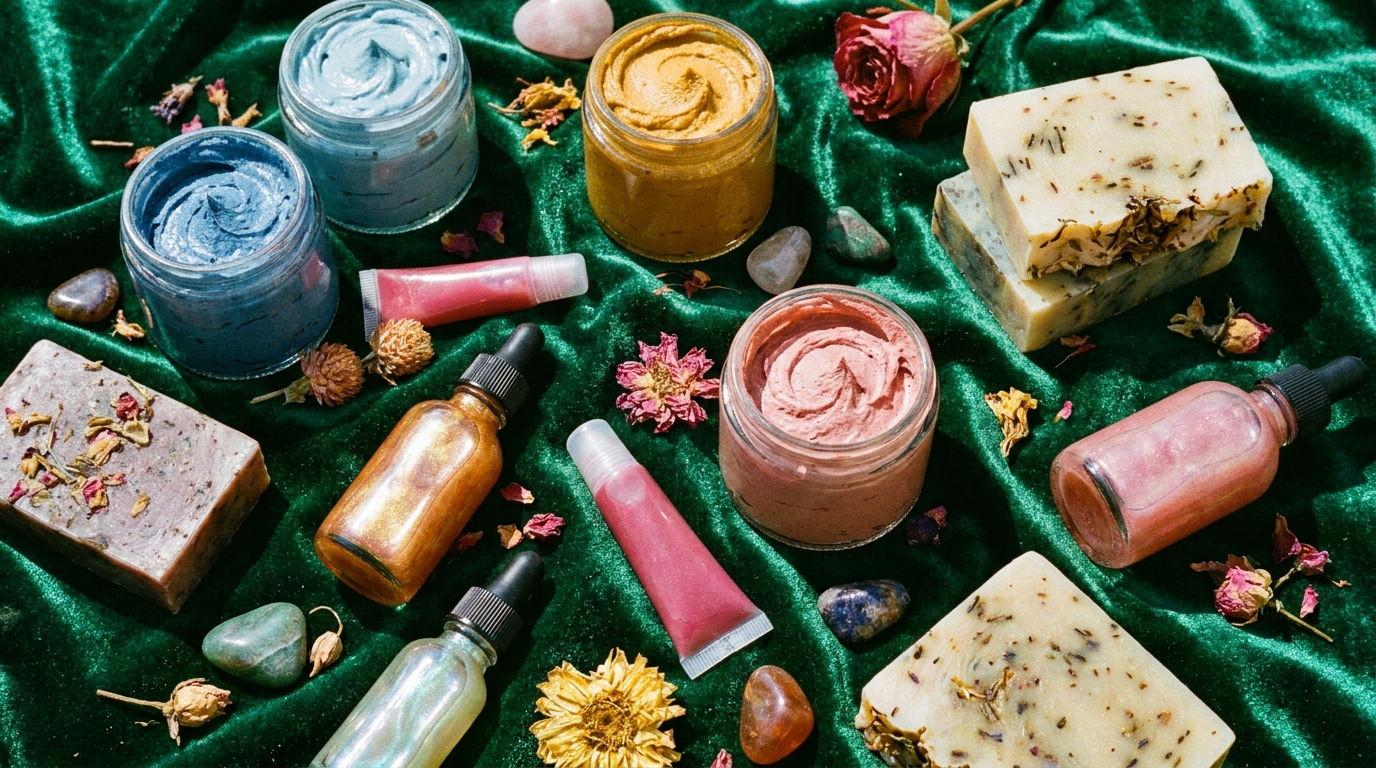
Dermocosmetics in the French and wider European context are not just a marketing label. Trade publications describe them as products that sit between mainstream cosmetics and dermatology, usually sold in pharmacies and often developed with dermatologists. Their mission is to care for the skin barrier, support conditions such as acne or rosacea and remain very well tolerated over time.
Key features of French dermocosmetics
- Positioning around sensitive, reactive or medically treated skin
- Claims about soothing, repairing, barrier strengthening and microbiome balance
- A visible pharmacy presence that often feels clinical rather than glamorous
Brands frequently cited as examples include Avène, La Roche-Posay, Bioderma and Caudalie. They rely on simple ingredient lists, thermal waters, soothing botanicals and controlled doses of well-studied actives. Packaging tends to look more clinical, with less focus on luxury.
By contrast, many prestige brands found at Sephora are oriented toward mood, sensoriality and visual impact. They might still be science-informed, but they are not framed as quasi-medical partners for your dermatologist.
How French dermocosmetics / Sephora customers see the split
In France, most consumers clearly distinguish between the pharmacy and the beauty specialty store. Shoppers are considered very savvy, with strong expectations around safety, efficacy and dermatological endorsement. Many people visit the pharmacy when skin is irritated, sensitised or post-treatment, and go to Sephora when they want a luxurious texture, a strong fragrance or an expressive makeup look.
How French consumers navigate pharmacies and Sephora
In the pharmacy world you usually encounter functional minimalist packaging, fragrance-light or fragrance-free options, significant investment in clinical testing and claims that focus on specific conditions and skin functions. Sephora-type retail, on the other hand, offers strong brand stories, bolder scents, colours and textures, quick reactions to social-media trends and a focus on sensorial pleasure with immediate visible results.
Some French companies operate in both worlds, offering a dermocosmetic line in pharmacies and a more luxurious line through Sephora or department stores. Even under identical regulations, the two lines will often differ in fragrance level, texture and active-blend complexity because they target different consumer expectations.
The regulatory baseline that shapes French formulas
One of the biggest structural differences between French dermocosmetics and many Sephora-style products developed for the United States is the regulatory environment. In France, cosmetics are regulated under the European Union Cosmetics Regulation. Every product must have a safety assessment, a product information file, clear labelling and a designated responsible person within the EU, plus adherence to long lists of banned and restricted substances.
EU cosmetics regulation as a starting point
Because France treats the EU as its main market, brands invest heavily in compliance. This results in systematic safety assessments by qualified experts, reluctance to use ingredients that provoke European public debate and R&D spending on gentler preservatives and more biocompatible textures.
Sephora brands that sell in Europe must meet the same bar. However, many U.S.-focused brands sold in American Sephora stores launch first under U.S. rules, which involve fewer pre-market obligations. That makes it easier for small, trend-driven brands to launch fast, reformulate often and experiment with bold textures or fragrances. The point is not that U.S. products are unsafe, but that the EU sets a uniquely demanding safety floor, and French dermocosmetic brands lean into that conservatively.
Why French pharmacy culture pushes formulas toward minimalism
French consumer studies describe a population that is both demanding and pragmatic. People regularly consult dermatologists, talk to pharmacists and read ingredient lists. They often view skincare as part of their health routine rather than a hobby.
Everyday habits that reward minimalist formulas
Lifestyle writers who cover French pharmacy products consistently highlight three habits: using fewer products on a regular basis instead of elaborate multi-step routines; favouring multi-purpose formulas that cleanse, calm and moisturise without drama; and preferring simple, fragrance-moderate products that neither sting nor peel. This culture rewards brands that keep formulas lean, respect the skin barrier first and improve texture or tone slowly and safely.
Sephora-style beauty, especially in the United States, often celebrates layering and experimentation. Products may combine multiple acids, strong perfumes or glittery textures, addressing an emotional need for visible transformation and sensorial delight rather than quiet daily support.
Formulation choices that make the two worlds feel so different
Once you understand culture and regulation, formula differences become clear. French dermocosmetics tend to feature shorter INCI lists centred on a few hero ingredients such as thermal waters, ceramides, glycerin, niacinamide and soothing plant extracts. Perfume levels are lower, allergens are carefully chosen and textures are designed to be non-comedogenic and suitable for sensitive or compromised skin.
Prestige skincare at Sephora usually relies on longer INCI lists with complex active blends, strong sensory elements like rich fragrances and luxury textures, eye-catching ingredients that photograph well and higher use of colourants or texture modifiers for dramatic effect. The common EU safety floor still applies to Sephora brands operating in Europe, but formulation strategies diverge: dermocosmetics emphasise robustness and tolerance, while prestige brands emphasise uniqueness and sensorial identity.
This is where the European advantage over many U.S. drugstore equivalents shows. A French pharmacy moisturiser and a mass-market U.S. moisturiser may both claim to be gentle, yet the French product must still comply with EU bans and undergo formal safety assessment before launch—extra reassurance for fragile or reactive skin.
European Union versus United States context at a glance
| Aspect | French / EU dermocosmetics | Typical U.S. Sephora & drugstore context |
|---|---|---|
| Legal framework | EU Cosmetics Regulation with pre-market safety assessment | U.S. rules with fewer pre-market requirements |
| Main channel | Pharmacies and parapharmacies with pharmacist advice | Sephora and mass retail, often self-service |
| Positioning | Skin health, sensitive-skin focus | Self-expression, fast trend cycles |
| Formulation style | Minimalist, barrier-focused | Layered, highly sensorial |
| Consumer mindset | Long-term tolerance, value for money | Novelty and immediate effects |
How to shop smarter if you love both French dermocosmetics and Sephora
Balancing pharmacy essentials with Sephora discoveries
Use French dermocosmetics for essentials such as cleanser, moisturiser and sunscreen—steps where tolerance and daily reliability matter most. Add Sephora-style treatments or masks when you want a sensorial moment or a targeted visible boost, e.g., an occasional peel or glow serum.
If your skin is sensitive, treat new Sephora discoveries as accents rather than the foundation of your routine. Access can be the main hurdle outside France, because not every Sephora carries a broad French pharmacy range and local drugstores may follow different regulatory or formulation philosophies. A parcel-forwarding partner such as AirSelli lets you receive products at a French address and forward them worldwide, so you can mix Sephora finds with authentic French pharmacy skincare. To learn more about the advantages of using a parcel-forwarding service, visit how AirSelli works.
Mini FAQ on French dermocosmetics and Sephora
Are French dermocosmetics automatically safer than Sephora brands?
In Europe, both must comply with the same cosmetics law. Dermocosmetics are not automatically safer, but their sensitive-skin focus often results in simpler formulas and extensive clinical testing.
Why do many French pharmacy products feel less scented?
Because they are designed for reactive or medically treated skin, fragrance levels are moderated and common allergens are closely monitored. The scent footprint is usually softer than that of a luxury cream sold in Sephora.
Do Sephora brands in France follow European rules?
Yes. Any cosmetic sold in France must follow EU requirements, even if the brand is American or global. What differs is formulation strategy—brands may still choose richer perfumes or multiple actives within that legal framework.
Can I get the same French pharmacy products in the United States?
Some dermocosmetic brands have dedicated U.S. lines and some hero products are imported, but assortments can be smaller or reformulated. Using an international parcel-forwarding service lets you order directly from French retailers and receive the exact versions sold in France.
French dermocosmetics and Sephora-style beauty do not compete on the same ground. One world is driven by pharmacies, dermatological heritage and European regulatory discipline; the other by prestige retail, storytelling and sensorial pleasure. By understanding these structural differences, you can build a routine that leverages each to its strengths—and, with the right logistics partner, access French pharmacy favourites from anywhere.