



If you love European food, it is tempting to bring back foie gras and farmhouse cheese from your travels or to order them from abroad. Yet the moment you try to ship cheese to USA addresses or send foie gras by post, you run into a maze of customs and food safety rules. In this guide, we explain which cheeses you can usually move across borders, what happens when you try to ship cheese to USA destinations, and why foie gras is often treated very differently. We focus on personal use, not bulk commercial import, and show you how a parcel forwarding partner like AirSelli can help with logistics while you stay compliant with customs. Throughout, we highlight the crucial difference between what is technically allowed and what is actually practical and safe for perishable products.
Buying Foie Gras and Cheese: What Can Be Shipped Internationally and How to Ship cheese to USA?
Reading time : ~9 min
- Summary
- How to Ship Cheese to USA Safely and Legally
- Shipping Cheese Versus Carrying It in Your Luggage
- Packaging and Temperature Control for International Cheese Shipping
- How Carriers and AirSelli Fit Into Your Cheese Shipping Plan
- What About Foie Gras and Other Meat Based Delicacies
- Mini FAQ on Shipping Cheese and Foie Gras to the USA
How to Ship Cheese to USA Safely and Legally
When you think about moving cheese to friends, family, or yourself in the United States, three authorities set the ground rules and enforce them rigorously.

Key US import authorities
| Authority | Main focus for personal food imports |
|---|---|
| US Customs and Border Protection (CBP) | Border enforcement & declarations |
| USDA Animal and Plant Health Inspection Service (USDA APHIS) | Disease prevention for animal & plant products |
| Food-safety agencies | Risk oversight for meat & dairy |
For cheese, regulations are friendlier when you carry products in your luggage and tighter when the same items arrive by courier or post. In short, it is usually easier to travel with cheese than to mail it.
Cheeses usually allowed for personal import
USDA APHIS and CBP generally allow a wide range of European dairy products for personal use, provided they contain no meat and you declare them. Firm and hard cheeses such as Comté, Salers, Cheddar-style, Parmesan, or Manchego, plus many semi-soft options (including some raw-milk mountain or washed-rind styles) typically pass inspection. Keeping original packaging and receipts makes origin verification simpler for officers.
Cheese that is restricted or prohibited
Higher-risk categories include any cheese with meat pieces or meat-based rinds, fresh or spoonable products like cottage cheese or ricotta, items stored in brine, and parcels that appear commercial (for example, multiple identical wheels or business invoices). Undeclared food can lead to hefty fines and seizure.
Shipping Cheese Versus Carrying It in Your Luggage
Rules are far more permissive for cheese in personal baggage than for parcels. Mailing cheese means accepting a greater chance of customs delays, inspection, or destruction.
Why personal baggage is usually safer
Authorities frame their flexible examples around passenger luggage. By packing cheese—preferably firm varieties—in checked bags that stay relatively cool, declaring everything, and keeping receipts, travellers retain temperature control and meet compliance requirements.
Why mailing cheese is complicated
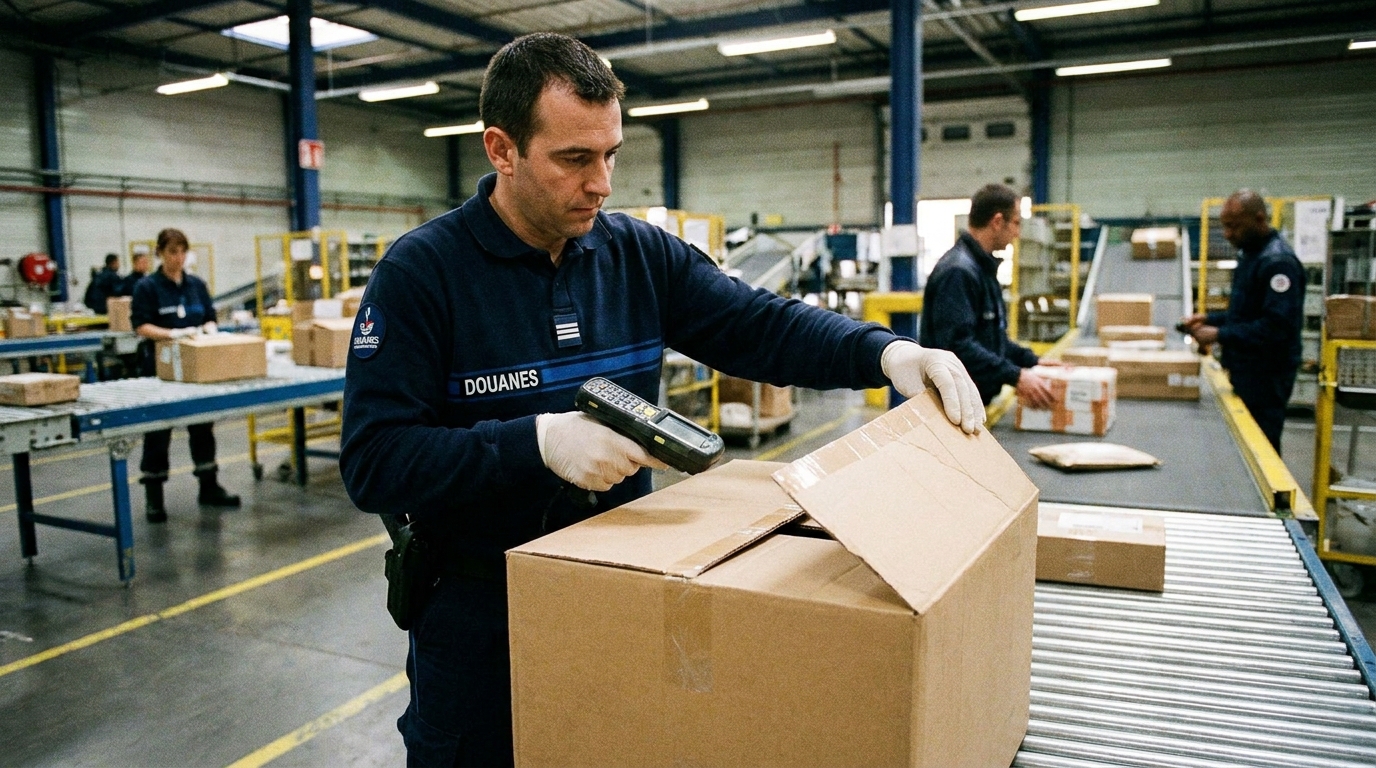
Without a traveller present, parcels are often treated as commercial imports, triggering stricter product classifications, origin scrutiny, and possible cold-chain restrictions enforced by couriers. Even fully legal cheese can be held or destroyed if handlers doubt its safety. See how parcel forwarding works for more detail about this process.
Packaging and Temperature Control for International Cheese Shipping
Quality can suffer long before customs decisions if cheese spends hours in hot warehouses. Professionals recommend simple but vital cold-chain precautions.
Essential steps for safe cheese shipping
- Use insulated containers : foam-lined boxes or liners slow heat transfer.
- Add enough gel packs : roughly one pack per kilo helps maintain 2 – 10 °C.
- Limit transit time : choose express services and avoid weekend holds.
- Prevent moisture issues : wrap cheese in breathable paper, then a secondary bag.
- Label clearly : product name, ingredients, country of origin, and “perishable”.
How Carriers and AirSelli Fit Into Your Cheese Shipping Plan
Several actors enable an overseas cheese journey: the merchant, a parcel-forwarding platform such as AirSelli, the transport company, and the border agencies. AirSelli offers a local address, consolidation, and repacking but does not operate the transport itself. You choose carriers offering the best speed-to-cost ratio and remain responsible for customs compliance.
What About Foie Gras and Other Meat Based Delicacies
Foie gras is regulated as poultry meat, subject to stricter veterinary controls than dairy. Customs often class it as high risk, especially during avian-influenza outbreaks, and may refuse even shelf-stable cans. Travellers must declare foie gras, yet seizures remain common; attempting to hide meat products can trigger severe penalties.
Mini FAQ on Shipping Cheese and Foie Gras to the USA
Can I ship cheese to USA addresses from Europe as a private individual?
Sometimes, but parcels are usually treated as commercial imports and face stricter scrutiny, permits, and potential quotas.
Is it easier to carry cheese home in my luggage instead of shipping it?
Yes. Regulations are more flexible for personal baggage, and you control temperature and packaging.
What types of cheese are safest for international travel?
Firm and hard cheeses such as Comté, aged Gouda, Cheddar-style, and Parmesan travel best and are widely admissible. For more details on permissible cheeses, check the CBP agricultural items page.
Can I legally ship foie gras to the USA?
In many cases it is effectively prohibited due to poultry-meat restrictions; seizures are common even when canned.
How does AirSelli help if I want to ship gourmet products internationally?
AirSelli supplies a local address, consolidates purchases, and hands over parcels to your chosen carriers, but cannot override CBP or USDA rules.
To move gourmet products across borders without losing sleep, you need a clear understanding of customs rules and a logistics partner who treats perishables with care. For cheese, personal baggage is usually the safest route, while strict meat regulations make shipping foie gras rarely worthwhile. To explore compliant options, visit AirSelli.

Key Takeaways for Shipping Cheese and Foie Gras to the USA
If you plan to ship cheese to USA destinations or travel home with gourmet products, focus on firm, non-meat cheeses, respect the stricter treatment of mailed parcels compared with personal luggage, and remember that foie gras is often handled as a high‑risk meat product. By combining careful packaging, realistic expectations about customs, and support from a forwarding partner such as AirSelli, you can make better decisions about which delicacies are truly worth sending across the Atlantic.