


Shipping liquids internationally can feel risky when you work with creams, serums and other cosmetics that must arrive in perfect condition. Between carrier rules, safety regulations and customs checks, it is natural to worry about leaks or returns. The good news is that with the right products, compliant packaging and clear documentation, shipping liquids and creams abroad is absolutely possible. In this guide we explain where the real limits are, how to pack correctly and how we can support you so your beauty products travel safely.
Shipping Liquids and Creams Internationally: Restrictions and Packaging
Reading time: ~11 min
- Summary
- Can you ship liquids internationally safely
- Key restrictions for shipping liquids internationally
- Packaging requirements for secure international liquid shipping
- Compliance and documentation for international liquid shipments
- How AirSelli helps you ship cosmetics and liquids abroad
- Best practices to ensure your creams and liquids arrive safely
- FAQ on shipping liquids internationally
Can you ship liquids internationally safely
You can ship many liquids and creams internationally as long as they are non-hazardous, correctly packaged and compliant with both carrier rules and destination country regulations. Authorities and carriers mainly care about three points: safety for aircraft, vehicles and people; compatibility with local laws on dangerous goods and cosmetics; and proper packaging that contains leaks during transport.
Non-hazardous products such as many shampoos, body lotions and water-based skincare are usually allowed, provided you follow packaging and quantity limits. Issues start when a product is flammable (for example alcohol-based perfumes, nail polish, some hair sprays), corrosive or strongly acidic/alkaline, or toxic or containing regulated ingredients under cosmetic laws.
When items fall into hazardous categories, international carriers apply frameworks such as the International Air Transport Association rules, United Nations Model Regulations and, for example, United States Department of Transportation regulations. Some hazardous liquids and creams can still travel in limited quantities per inner container when fully declared and packed in certified packaging, while others are simply prohibited on many international routes. Always start every shipment that involves liquids with a regulatory check.
Key restrictions for shipping liquids internationally
The first filter is the nature of the product.
Typical liquid and cream categories
Everyday non-hazardous cosmetics such as many cleansers, moisturisers and conditioners are usually permitted internationally with standard packaging rules.
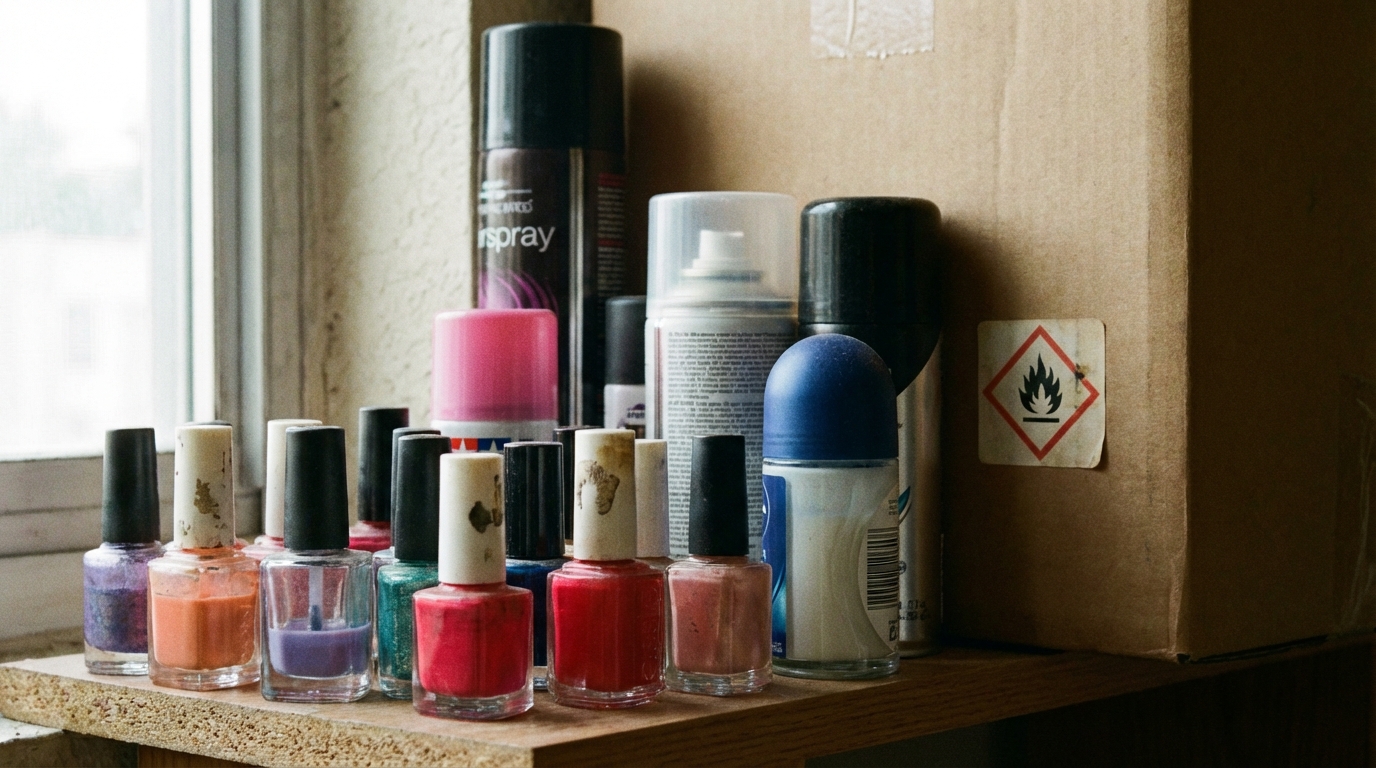
Flammable cosmetics and personal care products include many perfumes, nail polish, aerosols and products with high alcohol content. Because they ignite easily, they are often restricted or completely banned on air routes. In the European Union, some formulas also fall under strict cosmetic safety regulations that limit certain ingredients or concentrations.
Other hazardous liquids such as gasoline, solvents, strong cleaners or lab chemicals are heavily regulated and, in practice, incompatible with most parcel forwarding scenarios.
Beyond the product itself, each country and carrier can apply its own limits. For instance, certain express networks do not accept any liquids, pastes or gels on specific routes; some lanes between the European Union and the United Kingdom restrict body creams; and in some countries, flammable cosmetics can only be imported with a specific licence.
Creams, balms and similar textures are frequently grouped with liquids, so they can fall under the same prohibitions on certain international air routes unless clearly non-flammable and shipped within domestic zones.
| Product type | Usual international parcel status | Notes for cosmetics shippers |
|---|---|---|
| Water-based shampoo or lotion | Often allowed with standard packaging | Check for any restricted ingredients |
| Oil-based cream or serum | Often allowed if non-flammable | Needs strong leak protection |
| Perfume or high-alcohol spray | Frequently restricted or prohibited by air | If allowed, travels only under strict hazmat rules |
| Nail polish | Commonly restricted as flammable | Often not accepted on general consumer networks |
| Aerosol hairspray or deodorant | Highly restricted | Specialist hazmat shipping usually required |
Because details change by country and carrier, always confirm with the final carrier and destination authorities.
Packaging requirements for secure international liquid shipping
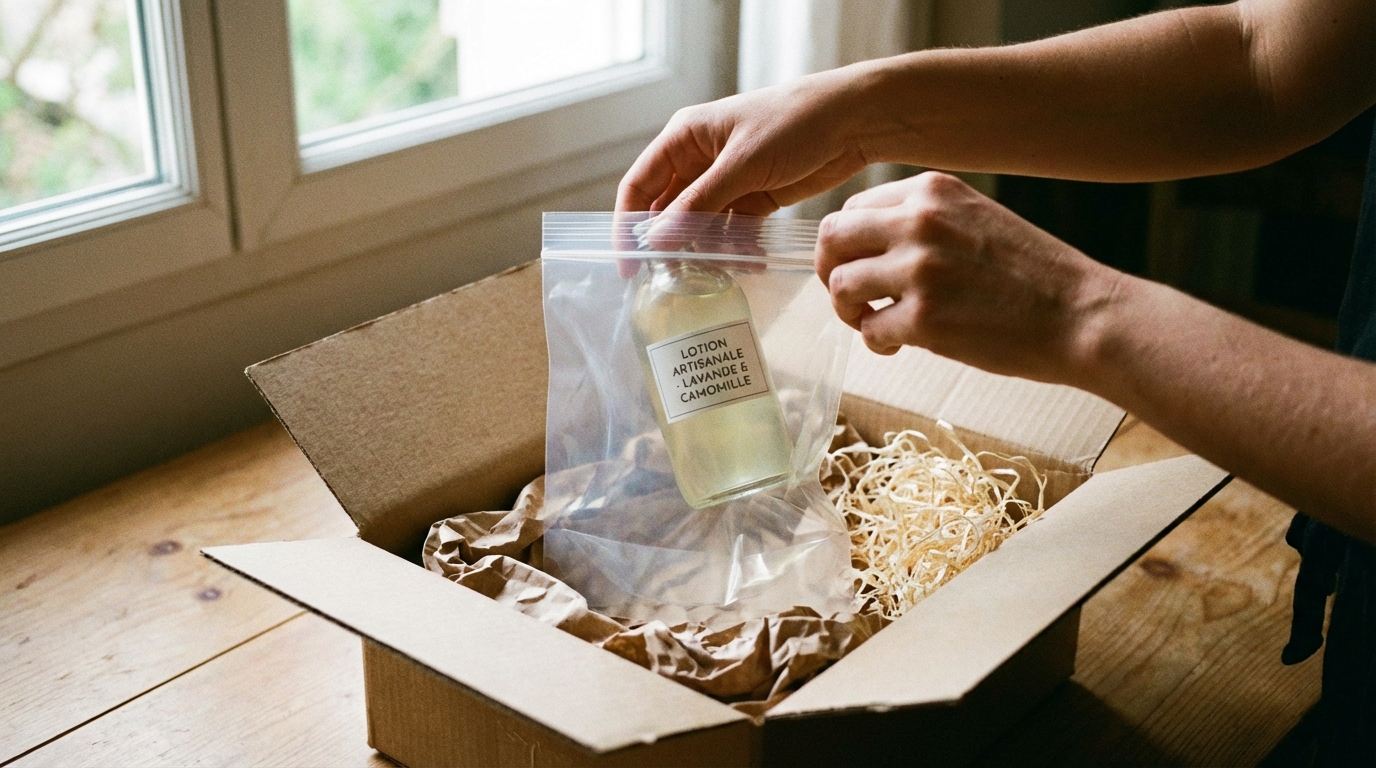
Once you confirm that your product is allowed, safe packaging becomes the next priority. The global best practice is a triple-layer system designed to contain leaks and resist shocks.
Primary container
The container holding the product should be leak-proof, leave enough empty space to handle temperature changes and have a secure closure, ideally tamper-evident. Regulations often limit the size of each primary container when the content is classified as dangerous.
Secondary packaging
Place containers inside a sealed plastic bag with enough absorbent material to hold the entire content if a container breaks, then close the bag fully. Many carriers make this layer mandatory above small volumes.
Outer packaging
Use a strong corrugated cardboard box with cushioning around the secondary layer. Add orientation arrows and any labels requested by the carrier. When the shipment is hazardous, the box often needs a certified UN mark plus official hazard labels.
Carrier specific packaging habits
Even for non-hazardous liquids, carriers may impose extra conditions such as triple packaging for any volume, different limits for glass versus plastic containers or requests for safety data sheets. Robust packaging reassures customers and keeps you compliant.
Compliance and documentation for international liquid shipments
Core compliance checks for liquid shipments
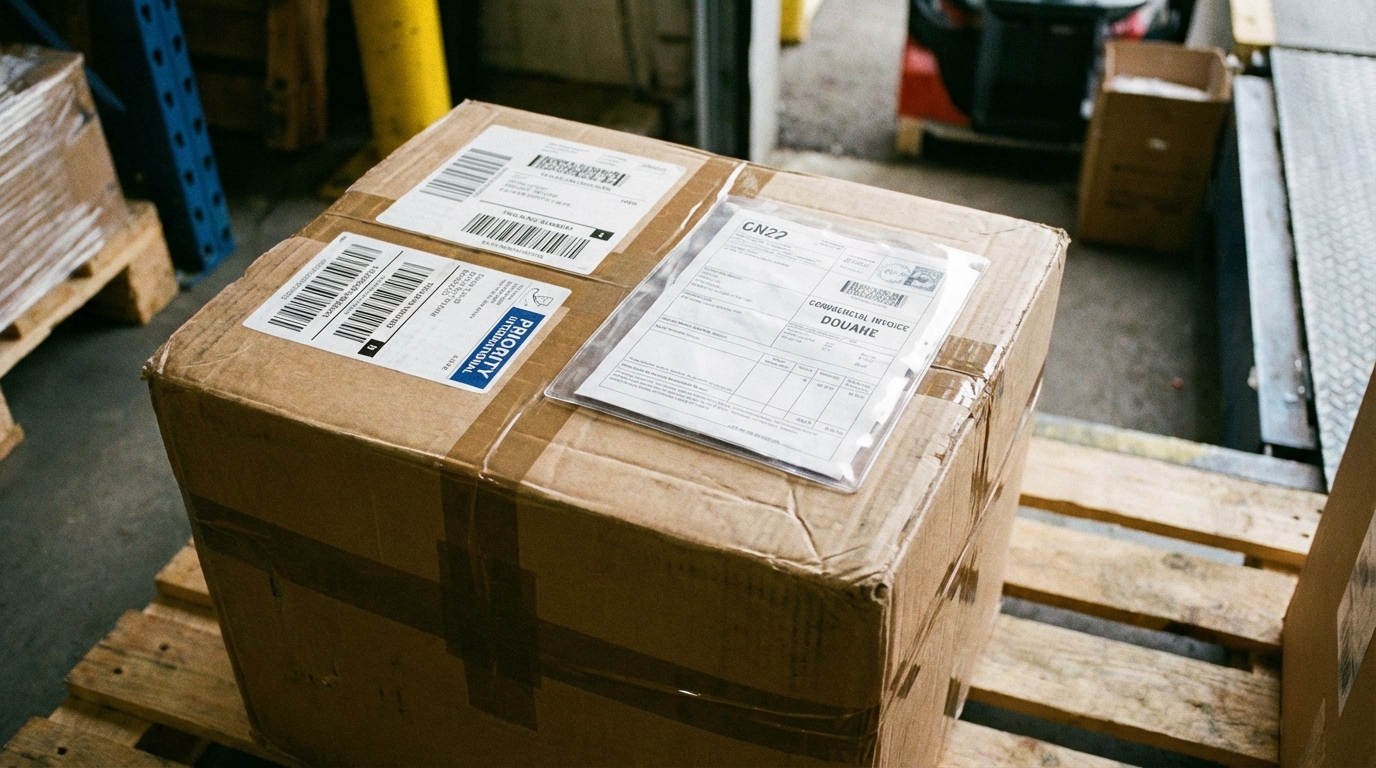
Packaging prevents physical incidents, while compliance and documents prevent regulatory trouble. Key elements include product classification, an up-to-date safety data sheet, the correct Harmonised System code and any licences or permits required by the importing country. Ignoring these obligations can lead to delays, returns, confiscation or fines. Always verify requirements with the carrier and destination authority.
How AirSelli helps you ship cosmetics and liquids abroad
AirSelli is a platform that receives and reships parcels internationally. We provide addresses, consolidation and value-added logistics services but do not operate transport ourselves. For liquid shipments we can visually check incoming parcels, consolidate compatible items, reinforce packaging and guide you toward suitable carrier options, while reminding you that final compliance decisions rest with carriers and regulators. Learn more about how it works.
Best practices to ensure your creams and liquids arrive safely
Do:
- Confirm each product is allowed for the destination, especially if it contains alcohol (see FAQ).
- Obtain updated safety data sheets and check ingredient restrictions.
- Use the triple-layer packaging system: primary container, sealed bag with absorbent material, strong outer box.
- Limit total liquid volume per shipment when possible, particularly by air.
- Describe contents accurately on customs forms with the correct HS codes.
- Test your packaging by shaking and dropping a sample box before relying on it internationally.
Avoid: mixing incompatible products in the same box, using poor-quality containers, misdeclaring hazardous items or overlooking special rules that apply to certain countries.
FAQ on shipping liquids internationally
Can I ship perfume or nail polish internationally
These products are often considered flammable. Many standard parcel services do not accept them on international air routes. Some specialist services may carry them if fully declared, packed in certified packaging and shipped within strict quantity limits. Always check with the carrier first.
Are creams treated differently from liquids
Regulators often group creams, gels and pastes with liquids, so the same prohibitions and packaging rules usually apply.
If my cosmetic product is non-hazardous, do I still need special packaging
Yes. Even non-hazardous products can leak under pressure changes and rough handling. Carriers expect leak-proof containers, sealed inner bags with absorbent material and sturdy outer boxes.
What happens if a liquid leaks during transport
If a leak is detected, carriers may stop, destroy or return the parcel depending on the product and spill extent. Proper triple packaging and realistic fill levels greatly reduce this risk.
Key takeaways for shipping liquids and creams internationally
International shipping of liquids and creams demands care, but it is entirely manageable when you respect restrictions, invest in robust packaging and prepare clear documentation. Combine compliant products, solid packaging and AirSelli’s forwarding expertise to deliver safely worldwide. Plan your next shipment step by step by visiting our global shipping guide.