

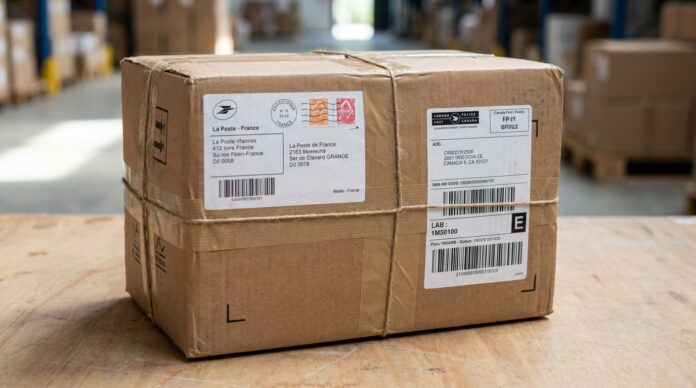

If you sell from France to Canadian customers or you simply want to Ship France to Canada with a parcel to family in Quebec, you quickly discover that shipping from France to Canada involves more than choosing a carrier. Customs, GST or HST, brokerage and delivery timelines all affect the final experience. Understanding these rules helps you set clear expectations for Quebecois buyers and English-speaking shoppers across the rest of Canada. In this guide we explain how to ship France to Canada with fewer surprises at the border. We focus on what you pay, who pays it, how long it takes, and how a forwarding partner like AirSelli can simplify the process for you.
Ship France to Canada: Customs, GST/HST & Timelines
Reading time: ~9 min
- What it means to ship France to Canada
- Customs duties when shipping from France to Canada
- GST and HST on imports from France
- Who actually pays duty and GST or HST
- Delivery timelines from France to Canada
- Common restricted and sensitive items
- How AirSelli simplifies shipping from France to Canada
- Quick checklist before you ship from France to Canada
- Frequently asked questions
What it means to ship France to Canada
When you ship France to Canada, Canadian law treats your parcel as an import. Three separate cost layers can apply in addition to the transport charge shown at checkout or at the post office.
| Cost layer | What it covers |
|---|---|
| Customs duty | Tariff based on product type, value and country of origin |
| GST or HST | Federal consumption tax (combined with provincial part in HST provinces) |
| Brokerage & handling | Fees charged by the carrier or postal operator for customs clearance |
For a Quebec buyer in Montreal, the federal GST applies and there can also be provincial QST managed separately. A customer in Toronto or Halifax faces HST, where the federal and provincial parts are combined. As a parcel-forwarding platform we help you prepare compliant paperwork and consolidate shipments while partner carriers handle the actual transport. That way you reach both French-speaking Quebec and the rest of Canada with the same French shipping address and workflow.
Customs duties when shipping from France to Canada
How duty is calculated
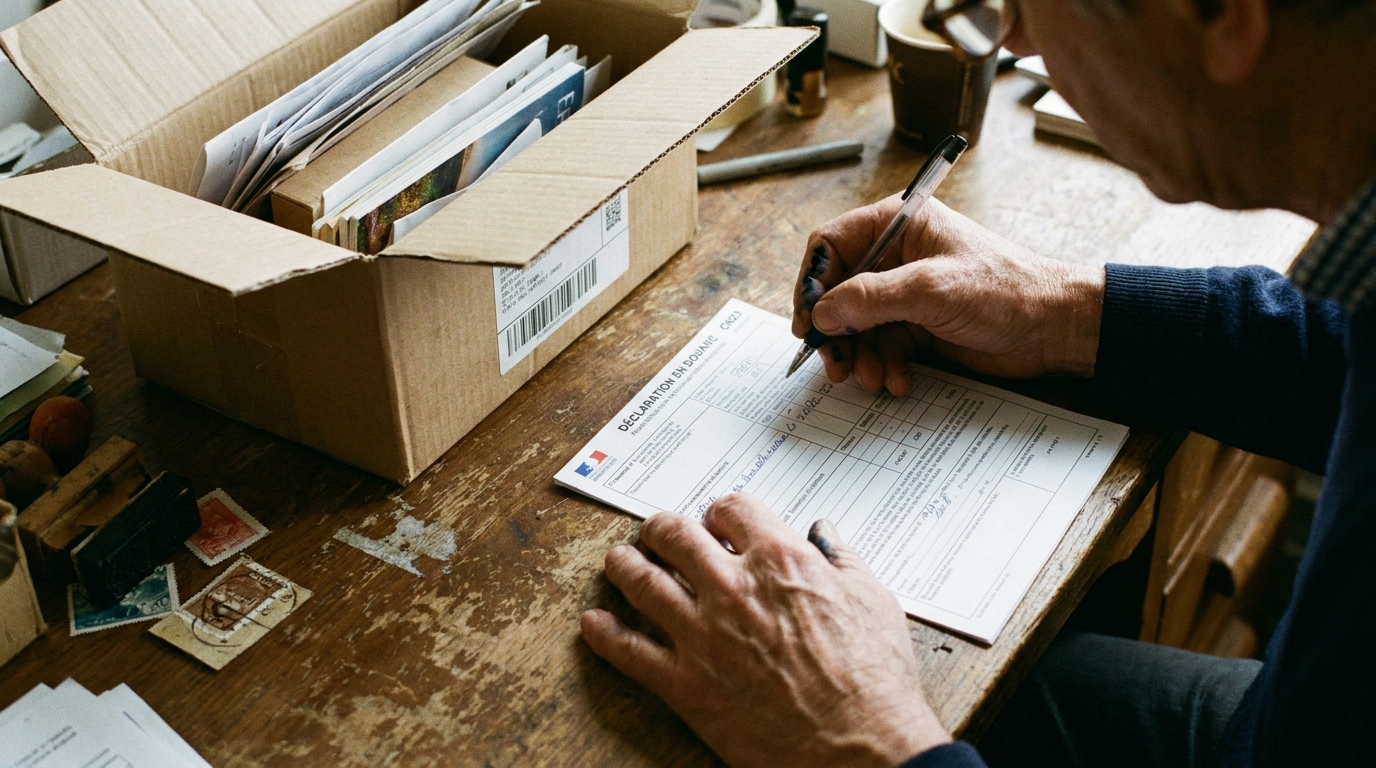
The Canada Border Services Agency (CBSA) calculates duty from three elements: the value of the goods converted into Canadian dollars, the tariff classification that reflects what the product is, and the country where the goods were made. Duty is different from GST or HST; it is a border charge linked to trade policy. Some products enter Canada with low or zero duty, while others—especially luxury or highly protected items—can incur higher rates. The customs value normally includes the price paid for the goods plus insurance and transport up to the Canadian border.
Low value thresholds and gifts
Small exemptions matter. Goods sent by mail with a declared value of 20 CAD or less are usually exempt from duty and GST. Genuine gifts from an individual abroad to an individual in Canada are exempt on the first 60 CAD of value, provided they are not restricted items such as alcohol or tobacco. Above these thresholds, normal rules apply and CBSA can still charge duty and taxes even on personal or second-hand items. Accurate declarations are essential; undervaluing or mislabelling a parcel can lead to penalties and delays.
GST and HST on imports from France
The basics at the border
In addition to any duty, CBSA normally collects federal GST at 5 %. For provinces that use HST—such as Ontario and several Atlantic provinces—the combined HST rate replaces basic GST. Tax is calculated on the customs value plus any duty, so if a product attracts duty you pay tax on both the product value and the duty amount. The importer of record is usually responsible for paying GST or HST. With a typical DAP (duties unpaid) shipment, the Canadian customer acts as importer, the carrier advances the payment to CBSA, and then bills the customer along with a brokerage fee.
Quebec and the bilingual customer experience
Quebec does not use HST. Residents pay federal GST and may owe provincial QST, administered by Revenu Quebec. Quebecois buyers often expect documentation in French while many also understand English. A forwarding platform that operates in both languages reassures your Quebec audience about customs, tax and delivery times, while still serving English-speaking buyers across Canada with equal clarity.
Who actually pays duty and GST or HST
DAP vs DDP billing models
Two commercial models dominate. In a DAP (duties unpaid) setup, the Canadian recipient pays duty, taxes and brokerage on delivery or before release by the carrier. In a DDP (duties paid) setup, the French sender or partner collects estimated duties and taxes in advance and remits them to CBSA, giving the Canadian buyer a smoother, invoice-free arrival. AirSelli does not collect Canadian taxes; instead we help you prepare accurate declarations and choose the billing model that suits your relationship with Canadian customers.

Delivery timelines from France to Canada
Delivery service levels from France to Canada
| Service level | Estimated transit time* |
|---|---|
| Express | 1 – 3 business days |
| Economy / Standard | 2 – 7 business days |
| Postal / Budget | 7 + business days |
*Transit times assume routine customs clearance. Incorrect paperwork, restricted contents or peak-season congestion can add delays.
Common restricted and sensitive items
Canada restricts or prohibits certain categories of goods by mail or courier: food, plant material and animal products that may pose biosecurity risks; weapons, certain knives and replica firearms; cultural objects, precious metals, coins or artworks that need special permits. Even when a product is allowed, it may require specific documentation, licences or health certificates. Always check the latest CBSA guidance, especially for food, cosmetics, health products and electronics with wireless components. A forwarding platform can flag items likely to face extra scrutiny so you can avoid refusals or returns. For more details about which items can be shipped, visit our how it works page.
How AirSelli simplifies shipping from France to Canada
AirSelli is not a carrier; we are a parcel reception and reshipping platform that provides a French delivery address and value-added logistics services. You can consolidate multiple French purchases into one outbound shipment to Canada, reducing overheads per item and simplifying customs paperwork. We prepare invoices and declarations that match CBSA expectations—clear descriptions, realistic values and correct currency. Partner carriers handle the physical transport, while our tracking tools give visibility from departure to delivery. Learn more on our How it works page or explore global shipping options.
Quick checklist before you ship from France to Canada
- Confirm the contents are allowed in Canada and secure any needed permits or certificates.
- Declare a realistic value in Canadian dollars using an up-to-date exchange rate.
- Identify whether the shipment is a genuine gift or a purchase and apply the correct exemptions.
- Decide in advance who will pay duty and GST/HST and communicate this clearly to the recipient.
- Select a service level that matches the urgency and expectations of Quebec or other provinces.
- Keep copies of invoices and tracking numbers to assist the recipient if CBSA has questions.

Frequently asked questions about shipping from France to Canada
Do all parcels from France to Canada pay customs charges?
No. Mail items valued at 20 CAD or less are usually exempt. Gifts between individuals are exempt on the first 60 CAD. Above those limits, CBSA can charge duty plus GST or HST. You can verify exemptions and prepare your declaration using the Airselli calculator.
How can I reduce surprise fees for Canadian customers?
Transparency helps most. Decide whether you will ship DAP or DDP and state this clearly at checkout. Accurate declarations reduce the risk of over-assessment. Some buyers choose self-clearance with CBSA to avoid courier brokerage fees, but this takes extra effort on the Canadian side.
Is shipping to Quebec different from shipping to the rest of Canada?
The border process is similar, but Quebec uses GST + QST rather than HST and buyers expect documentation in French. HST provinces apply a combined rate instead of separate taxes.
How long will it take for my parcel to arrive?
Express services often deliver from France to major Canadian hubs in 1–3 business days. Standard or economy services take longer, and remote destinations or peak seasons add time. Correct paperwork is as important as the carrier you choose. Track your shipment status directly via our tracking page.
How does AirSelli fit into the shipping process?
We provide a French address, receive your parcels, consolidate and prepare them for export, then hand them to trusted carriers that transport them to Canada. Our focus is documentation, consolidation and tracking, so you and your Canadian customers enjoy fewer surprises and smoother deliveries. For global options see our overview of global shipping.