

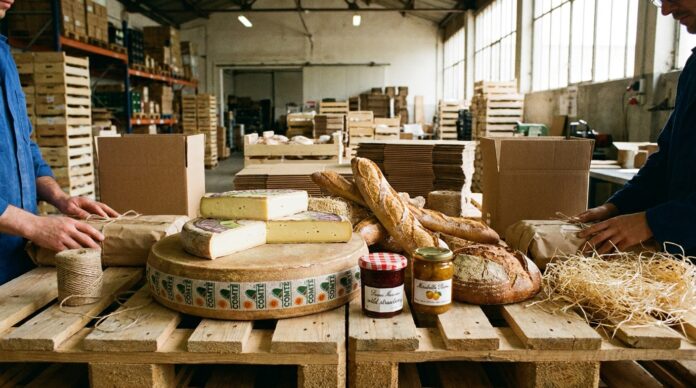

Moving food across borders is never just about boxes and labels. Between France, the United Kingdom and the United States you face three different regulators, three sets of rules and rising enforcement as 2026 approaches. Understanding FDA food imports alongside UK customs rules is essential if you want your shipments to arrive safely and legally.
In this guide we walk through the key requirements for food coming from France into Great Britain and food entering the United States under FDA oversight. You will see where the rules differ for travelers, private parcels and commercial imports plus how a forwarding platform like AirSelli fits into the picture. Our aim is to give you practical clarity and legal reassurance so you can plan your logistics with confidence.
Customs Guide 2026: Importing Food from France to UK (FDA food imports rules for US)
Reading time : ~11 min
- Summary
- Mapping the routes France, UK and US in 2026
- France to UK rules for travelers and private parcels
- Commercial style imports from France into the UK
- FDA food imports into the United States in 2026
- Practical compliance checklist for 2026 shipments
- Mini FAQ on customs and FDA food imports
Mapping the routes France, UK and US in 2026
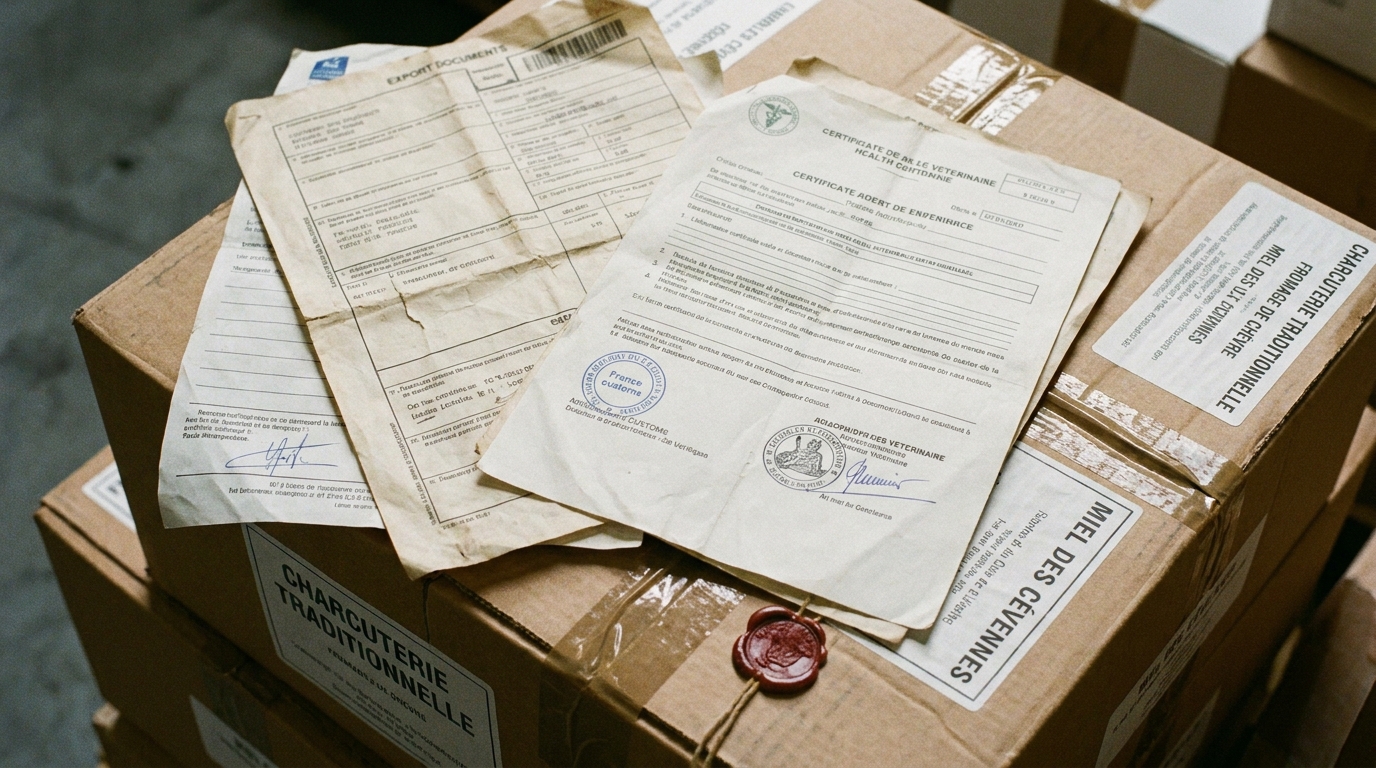
Overview of the main 2026 food routes
When you ship or carry food between France, the UK and the US, you are really dealing with three distinct flows: food that you bring personally from France into Great Britain, food that moves commercially from France into the UK for sale, and food that is shipped from Europe into the United States and becomes subject to FDA food import rules.
| Route & purpose | Main regulator | Core focus in 2026 |
|---|---|---|
| France → Great Britain, personal use | UK border agencies | Animal disease & plant-health protection |
| France → UK, commercial resale | UK customs & port health | Customs, SPS checks, labeling, organic control |
| Europe → United States, any commercial food | FDA & CBP | Facility registration, prior notice, FSVP, Import Alerts |
AirSelli operates within this landscape as a platform that receives parcels at local addresses and forwards them internationally with added-value services such as consolidation and storage. We do not act as a carrier or a customs broker, so compliance with these rules remains your responsibility.
France to UK rules for travelers and private parcels
Personal travel from France to Great Britain
Official UK guidance distinguishes foods of animal origin from others. You can usually bring bread, many baked goods and confectionery for personal use. Foods that contain meat or dairy are highly restricted because of animal-disease risk, and fresh meat, sausages or cheese produced outside the UK are generally prohibited unless a specific exemption applies. Fresh fruit, vegetables, certain seeds and plants often need plant-health certification because of pest risk. Luggage can be checked at any entry point, so always verify the latest UK rules before travelling.
Private parcels forwarded from France to the UK
Parcels forwarded through a service like AirSelli are subject to the same UK restrictions. They pass through customs and may be inspected, which means declared contents must be accurate and detailed; “food” or “groceries” is insufficient. Parcels containing restricted animal or plant products risk seizure. The safest approach is to avoid sending such items and to keep original labels intact so inspectors can easily verify ingredients and origin.
Commercial style imports from France into the UK
Customs, registration and documentation
Businesses importing food from France into Great Britain face stricter expectations. A GB EORI number is required for customs declarations, each product needs the correct customs code, and value and origin must be shown. Many foods of animal or plant origin require health or phytosanitary certificates and advance notification through systems such as IPAFFS. Organic imports must carry recognised EU certification plus an electronic Certificate of Inspection in TRACES NT, and labels must display the appropriate EU or UK organic logo alongside the certifier’s code and the UK-based importer’s details.
Special product categories and certificates
Special categories include fish (possible IUU certificates), poultry and other meats (veterinary health certificates) and specific plant products such as potatoes or nuts that may demand additional tests. While parcel consolidation can streamline the physical flow, legal duties stay with you as the importer of record. For more on how international parcel forwarding works, see our detailed guide.
FDA food imports into the United States in 2026
Core FDA food import requirements
1. Facility registration : most foreign facilities that manufacture, process, pack or hold food for US consumption must be registered with the FDA, and the US importer must keep proof of valid registration.
2. Prior notice : the FDA must receive advance notice describing the product, shipper, recipient, country of origin and facility; shipments without correct prior notice can be refused entry.
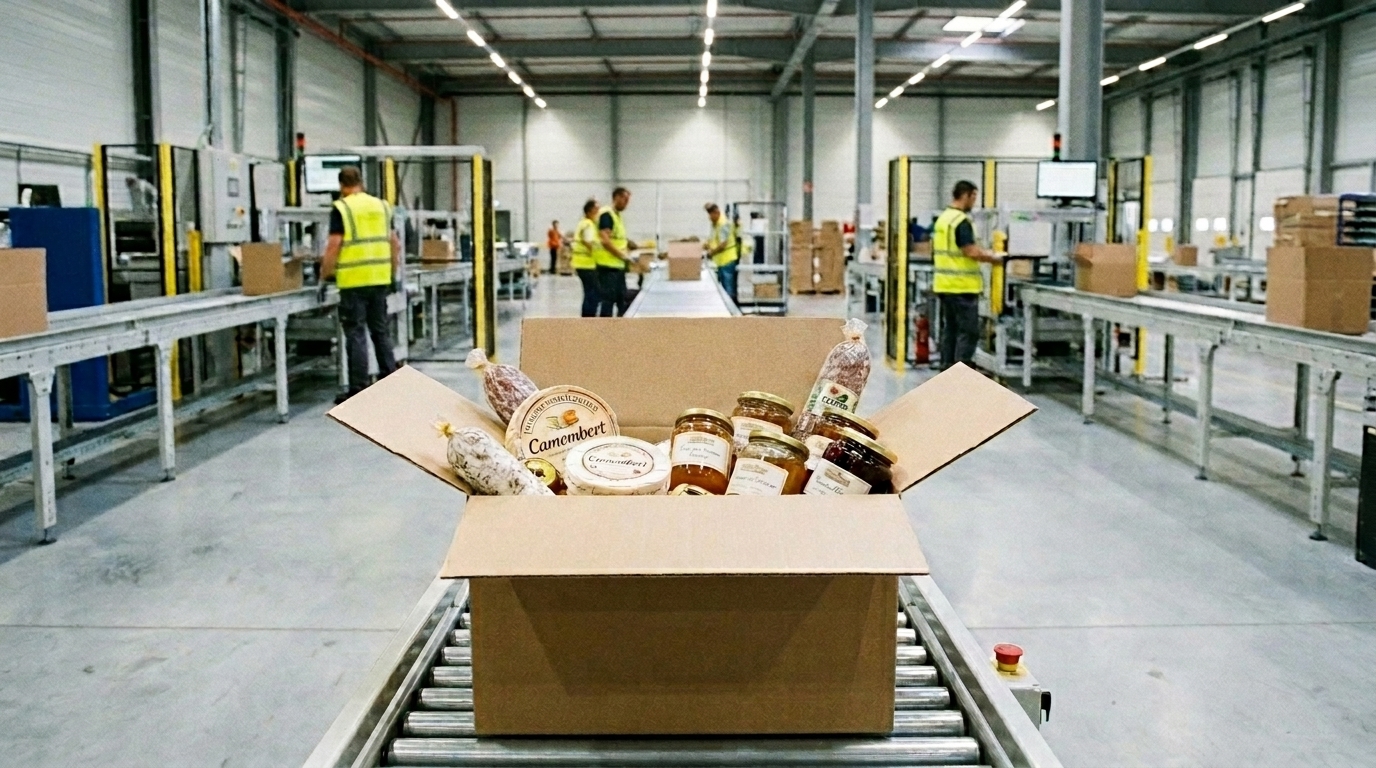
3. Foreign Supplier Verification Program : US importers must verify that suppliers meet US standards for hazard control and preventive controls, backed by documented analyses and ongoing checks.
4. Labeling & composition : FDA enforces detailed rules on ingredient lists, allergen declarations, Nutrition Facts panels and truthful claims; misbranded food can be detained even if safe.
How enforcement is evolving by 2026
FDA is prioritising contaminants such as Salmonella, pesticide residues, heavy metals and emerging pollutants. Import Alerts are used more actively to detain shipments linked to repeated problems, and planned rule changes will increase transparency on substances Generally Recognised as Safe. Programs like third-party certification and the Voluntary Qualified Importer Program offer expedited entry to importers with robust controls and strong compliance records.
Where a forwarding platform fits in FDA compliance
AirSelli’s role is limited to receiving, storing, consolidating and forwarding packages; we are not the importer of record. A US-based importer must accept responsibility for FSVP and prior notice, ensure all facilities are properly registered and check that labels meet FDA rules. Private individuals sending gifts should avoid high-risk products such as meat, unpasteurised dairy or homemade preparations and keep shipments small and clearly labelled.
Practical compliance checklist for 2026 shipments
Step-by-step compliance actions
- Clarify the role of each party so no one assumes another has handled legal steps.
- Verify that every item is allowed in the destination country, especially animal products, fresh produce, seeds and organics.
- Secure the correct registrations (EORI, FDA facility numbers, organic certificates) and accurate customs codes.
- Prepare documents in advance, including health or plant certificates and any required test reports.
- Ensure labels meet destination rules for language, ingredients, allergens and responsible business addresses.
- File prior notifications on time for FDA and submit UK pre-notifications before arrival.
- Keep traceability records so you can respond quickly to any authority request.
Mini FAQ on customs and FDA food imports
Does using a forwarding address reduce my customs risk?
Customs authorities still see the underlying content; prohibited items remain prohibited.
Can I ship homemade French food to the US?
Homemade and unlabelled items create uncertainty for officials, increasing the risk of detention. Sealed, commercially packaged products with clear ingredients and origin are safer.
Are small personal parcels to the UK treated differently from commercial imports?
Quantities for personal use are recognised, but restricted products such as meat, dairy and certain plants can still be seized even in small amounts.
Who is responsible for FDA Foreign Supplier Verification Program duties?
The US importer of record holds FSVP responsibility; freight forwarders and platforms like AirSelli normally do not assume this role.
How can I stay ahead of regulatory changes through 2026?
Monitor official FDA and UK updates, track new Import Alerts and planned rules on contaminants and labelling, and adjust suppliers or formulations early.
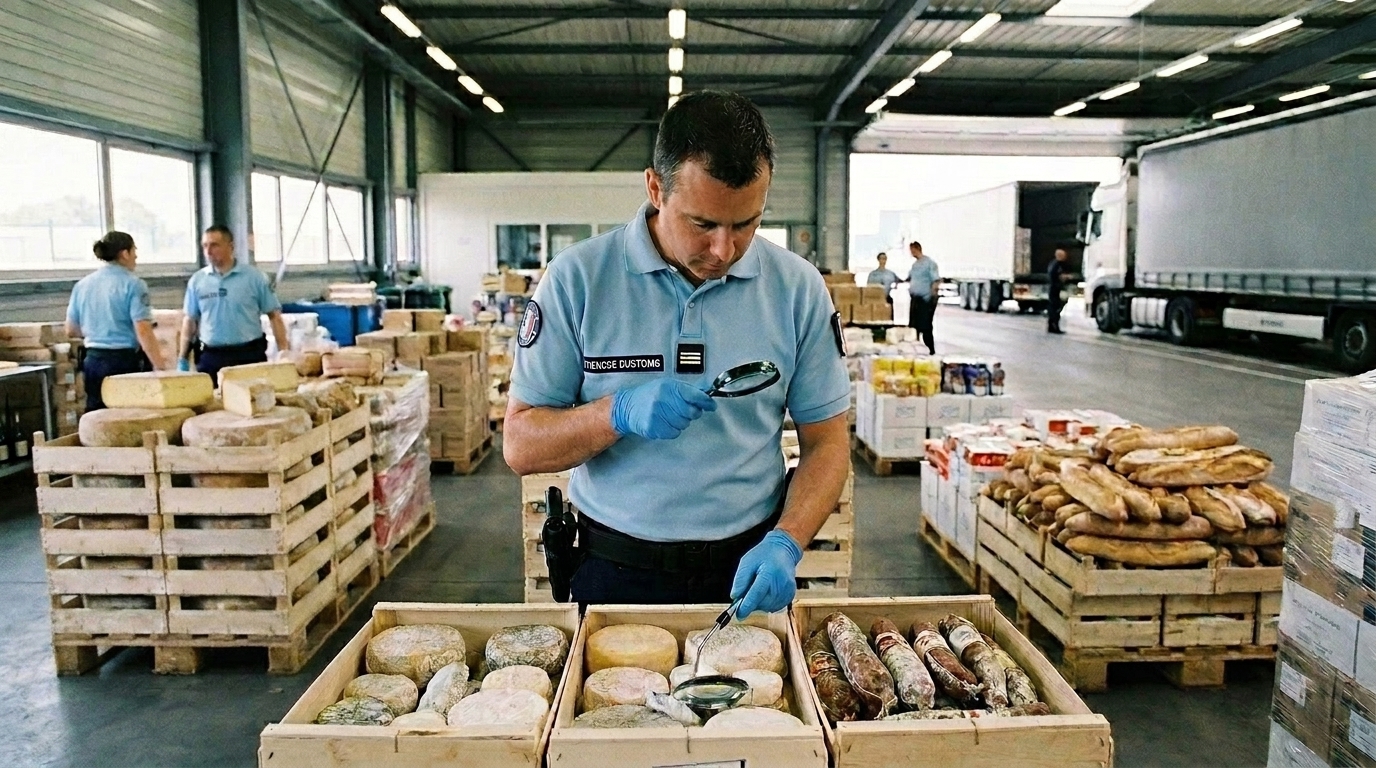
Key takeaways for cross-border food compliance
Border checks are tightening, not loosening. By understanding how UK and FDA rules interact and by planning documentation and labelling in advance, you protect both your shipments and your reputation. To explore how parcel consolidation and international reshipping can support a compliant strategy, visit AirSelli international parcel forwarding.